
Plant Extract: Global Market Analysis & Industry Insights
106
Plant Extract: Global Market Analysis & Industry Insights
Industry Insights & Market Analysis | June 2026
━━━━━━━━━━━━━━━━━━━━━━━━━━━━━━━━━━━━━━━━
Introduction
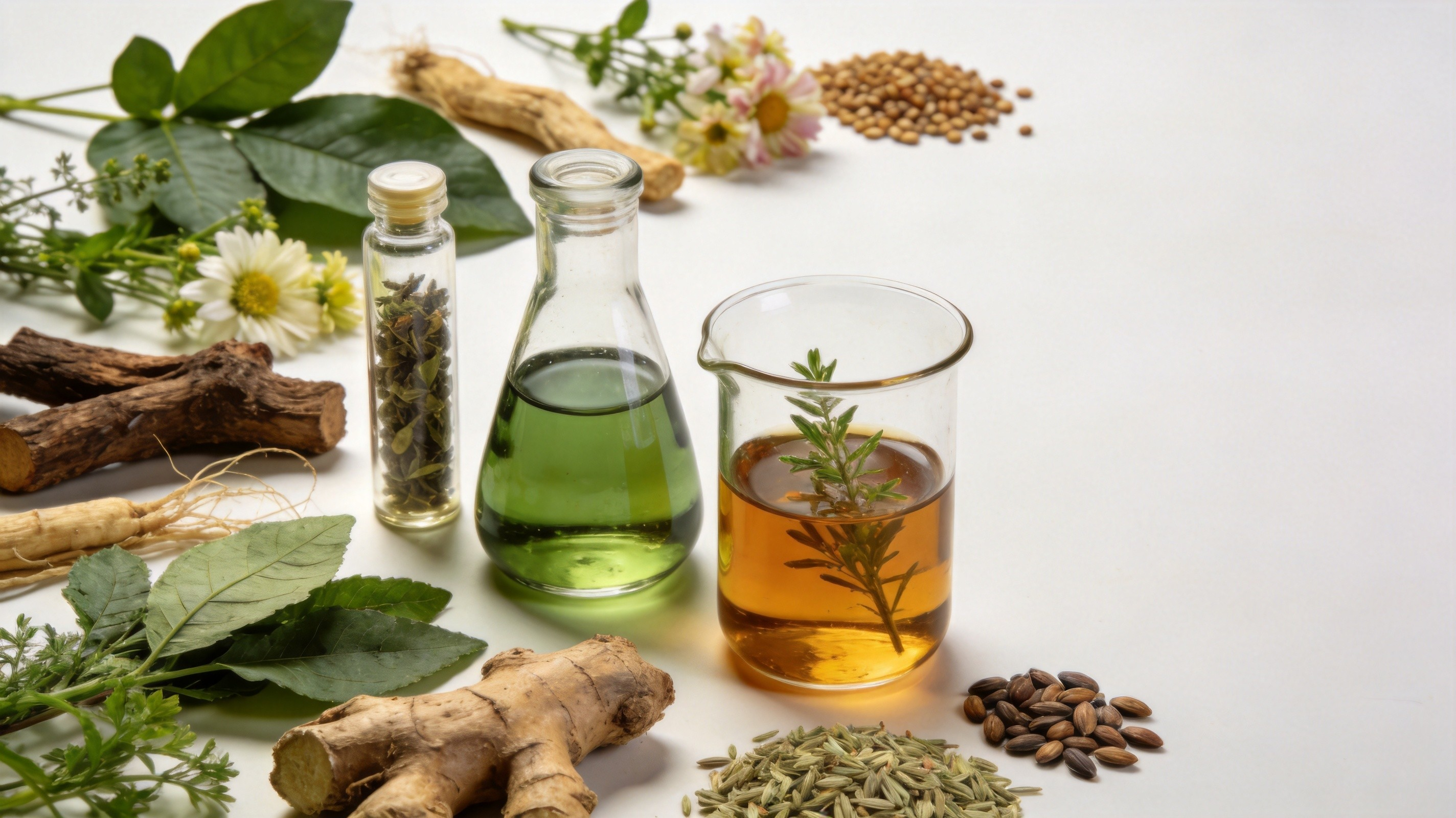
Plant extracts—encompassing herbal extracts, botanical isolates, essential oils, and phytochemicals—represent one of the most dynamic and rapidly expanding segments of the global ingredients industry. Fueled by the convergence of consumer wellness trends, clean-label demand, and advances in extraction technology, plant extracts have moved from niche supplement ingredients to mainstream components in food, beverage, cosmetics, and pharmaceutical applications. This report examines the global plant extract market landscape as of mid-2026, providing actionable insights for industry stakeholders.
Global Market Overview
The global plant extract market is valued at approximately USD 48.78 billion in 2026 and is projected to reach USD 70.89 billion by 2031, growing at a CAGR of 7.76% (Mordor Intelligence, 2026). Alternative estimates suggest an even more aggressive trajectory, with the market reaching USD 114.03 billion by 2033 at a CAGR of 11.6% (Coherent Market Insights, 2026). China remains the world's largest plant extract market, valued at approximately USD 18.5 billion in 2026, accounting for 31.7% of the global market.
China's plant extract export industry continues to strengthen, with export value reaching USD 7.23 billion in 2025, reflecting the country's dominant position as both a producer and global supplier of botanical ingredients. The export portfolio is increasingly shifting toward high-value standardized extracts and functional ingredients, rather than raw commodity materials.
Market Metric | Value | Source |
Global Plant Extract Market (2026) | USD 48.78 billion | Mordor Intelligence |
Projected Market Value (2031) | USD 70.89 billion | Mordor Intelligence |
Projected Market Value (2033) | USD 114.03 billion | Coherent Market Insights |
China Market (2026) | USD 18.5 billion (31.7% share) | Industry Reports |
China Plant Extract Exports (2025) | USD 7.23 billion | China Customs / CCCMHP |
Market Segmentation
By Product Type
Extract Type | Market Share | Growth Trend | Key Applications |
Herbal/Botanical Extracts | 38.5% | Stable–High | Traditional medicine, supplements, functional food |
Natural Pigments & Colors | 17.5% | High Growth | Clean-label food & beverage, cosmetics |
Essential Oils | 15.2% | Moderate | Aromatherapy, personal care, flavoring |
Phytochemicals & Actives | 14.8% | Very High | Nutraceuticals, pharmaceuticals |
Natural Sweeteners | 8.0% | High Growth | Sugar reduction, diabetic-friendly products |
Others | 6.0% | Moderate | Various |
By Application
· Food & Beverage: 43.86% market share — the largest application segment. Plant extracts are used for natural coloring, flavoring, preservation, and functional fortification.
· Dietary Supplements: Fastest-growing segment at CAGR 8.25%, driven by immunity, cognitive health, and anti-aging demand.
· Cosmetics & Personal Care: ~15% share, growing at 7.5% CAGR as botanical beauty and 'green chemistry' trends intensify.
· Pharmaceuticals: ~12% share, with increasing interest in plant-derived active pharmaceutical ingredients (APIs).
By Form
· Powder Form: 42.11% market share — dominant due to longer shelf life, easier handling, and cost-effective transportation.
· Liquid Extracts: Fastest-growing at CAGR 8.41%, preferred for beverage and cosmetic applications where solubility and rapid dispersion are critical.
Technology & Innovation Trends
1. Supercritical CO₂ Extraction
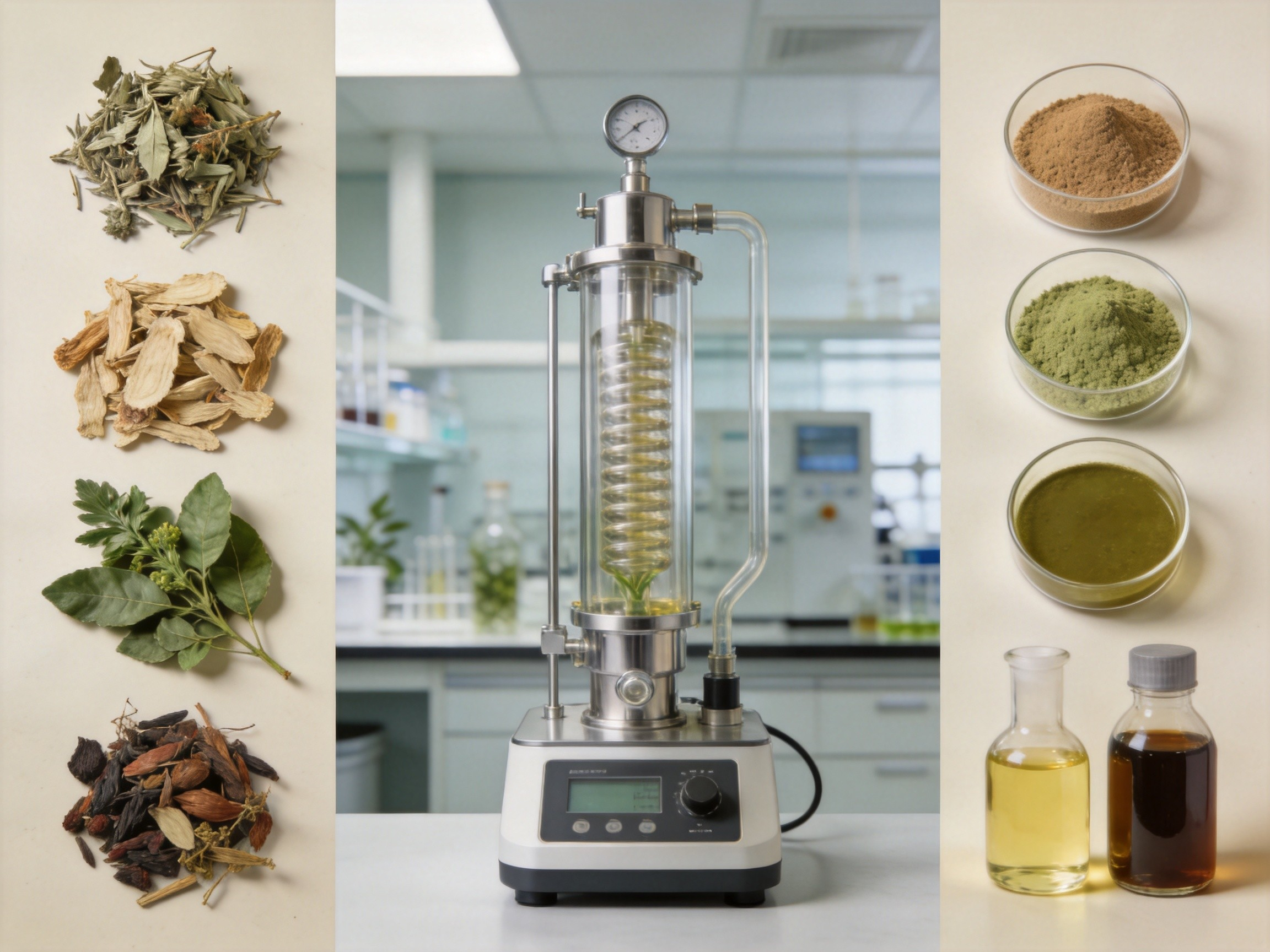
Supercritical CO₂ extraction has become the technology of choice for high-value plant extracts, achieving extraction efficiencies of up to 95% compared to 60–70% for conventional solvent extraction. This method produces residue-free extracts with superior preservation of thermolabile compounds, making it ideal for premium botanical ingredients destined for food, supplement, and cosmetic applications.
2. Green Extraction Methods
Ultrasound-assisted extraction (UAE), microwave-assisted extraction (MAE), and enzyme-assisted extraction are gaining commercial adoption as sustainable alternatives. These methods reduce energy consumption by 30–50% and solvent usage by 40–60% while maintaining or improving extract quality. EU Green Deal regulations are accelerating adoption of these technologies among European suppliers.
3. Standardization & Traceability
Blockchain-enabled supply chain traceability and DNA barcoding for botanical authentication are becoming industry standards, particularly for high-value and vulnerable plant species. Standardized extract specifications (marker compound percentages, heavy metal limits, pesticide residue testing) are increasingly required by regulatory authorities and major buyers.
Regional Market Dynamics
Region | Market Share | Key Drivers | Competitive Landscape |
Asia-Pacific | ~40% | Traditional medicine heritage; large-scale production; growing domestic wellness market | China dominates production; India emerging |
North America | ~25% | Clean-label demand; supplement boom; functional food innovation | Strong R&D; premium positioning |
Europe | ~22% | EU Green Deal; organic demand; botanical cosmetics | Regulatory leadership; quality focus |
Latin America | ~8% | Biodiversity sourcing; growing nutraceutical sector | Export-oriented; raw material supplier |
Middle East & Africa | ~5% | Traditional herbal medicine; food & beverage growth | Import-dependent; emerging production |
Key Growth Drivers
1. Clean-Label & Natural Trend: Consumer demand for recognizable, plant-derived ingredients continues to accelerate across all food and beverage categories.
2. Functional Food & Beverage Boom: Plant extracts are central to the functional food revolution, providing bioactive compounds for immunity, energy, cognitive health, and digestive wellness.
3. Regulatory Support: EU regulations favoring natural ingredients and China's evolving standards for botanical extract quality are creating a more structured market environment.
4. Technology Cost Reduction: Advances in extraction technology are reducing production costs, making premium plant extracts accessible to mid-market product developers.
5. Sustainability Imperative: Brands are actively seeking sustainably sourced botanical ingredients as part of ESG commitments, favoring suppliers with certified supply chains.
Challenges & Risk Factors
· Raw Material Supply Risks: Over-harvesting of wild botanicals and climate change impacts threaten supply stability for popular species (e.g., ginseng, ashwagandha, turmeric).
· Quality Inconsistency: Natural variation in plant material composition leads to batch-to-batch variability, requiring sophisticated quality control systems.
· Regulatory Fragmentation: Differing definitions and standards for plant extracts across FDA, EFSA, NMPA, and TGA create compliance complexity for global suppliers.
· Adulteration & Fraud: The premium pricing of authentic plant extracts creates incentives for adulteration, undermining market trust and requiring investment in authentication technologies.
Strategic Opportunities for Suppliers
For Chinese plant extract exporters, several strategic avenues offer high potential:
6. Standardized High-Value Extracts: Moving up the value chain from commodity extracts to standardized, clinically validated ingredients with premium pricing.
7. Functional Food Ingredients: Developing turnkey plant extract solutions for the beverage and functional food sectors, including flavor-function combinations.
8. Sustainability Certification: Obtaining organic, FairWild, Rainforest Alliance, and other certifications to access premium Western markets.
9. Custom Extraction Services: Offering bespoke extraction services for brands seeking unique botanical profiles or proprietary formulations.
Conclusion
The global plant extract market is on a strong growth trajectory, driven by the convergence of wellness consumerism, clean-label mandates, and technological advancement. China's dominant position as both producer and exporter provides a significant strategic advantage, particularly as the market shifts toward higher-value, standardized, and sustainably sourced ingredients. Companies that invest in extraction technology, quality standardization, and transparent supply chains will be best positioned to capture the expanding opportunities in food, beverage, supplements, and cosmetics through 2031 and beyond.
References
· Mordor Intelligence (2026). Plant Extract Market — Global Outlook & Forecast 2026–2031.
· Coherent Market Insights (2026). Plant Extract Market Size, Share & Growth Analysis.
· China Chamber of Commerce for Medicines & Health Products (CCCMHP). China Plant Extract Export Report 2025.
· Grand View Research (2025). Herbal Extract Market Analysis & Trends.
· European Commission (2025). Green Deal Impact on Natural Ingredients Industry.
━━━━━━━━━━━━━━━━━━━━━━━━━━━━━━━━━━━━━━━━
Shanghai Javicen Industry Co., Ltd.
Email: javicen001@outlook.com | WhatsApp: +86 131 6706 8907
www.javicensyrup.com