
Freeze-Dried Coffee Powder & Coffee Concentrate Liquid: Market Trends & Industry Insights
79
Introduction: The New Frontier of Instant Coffee
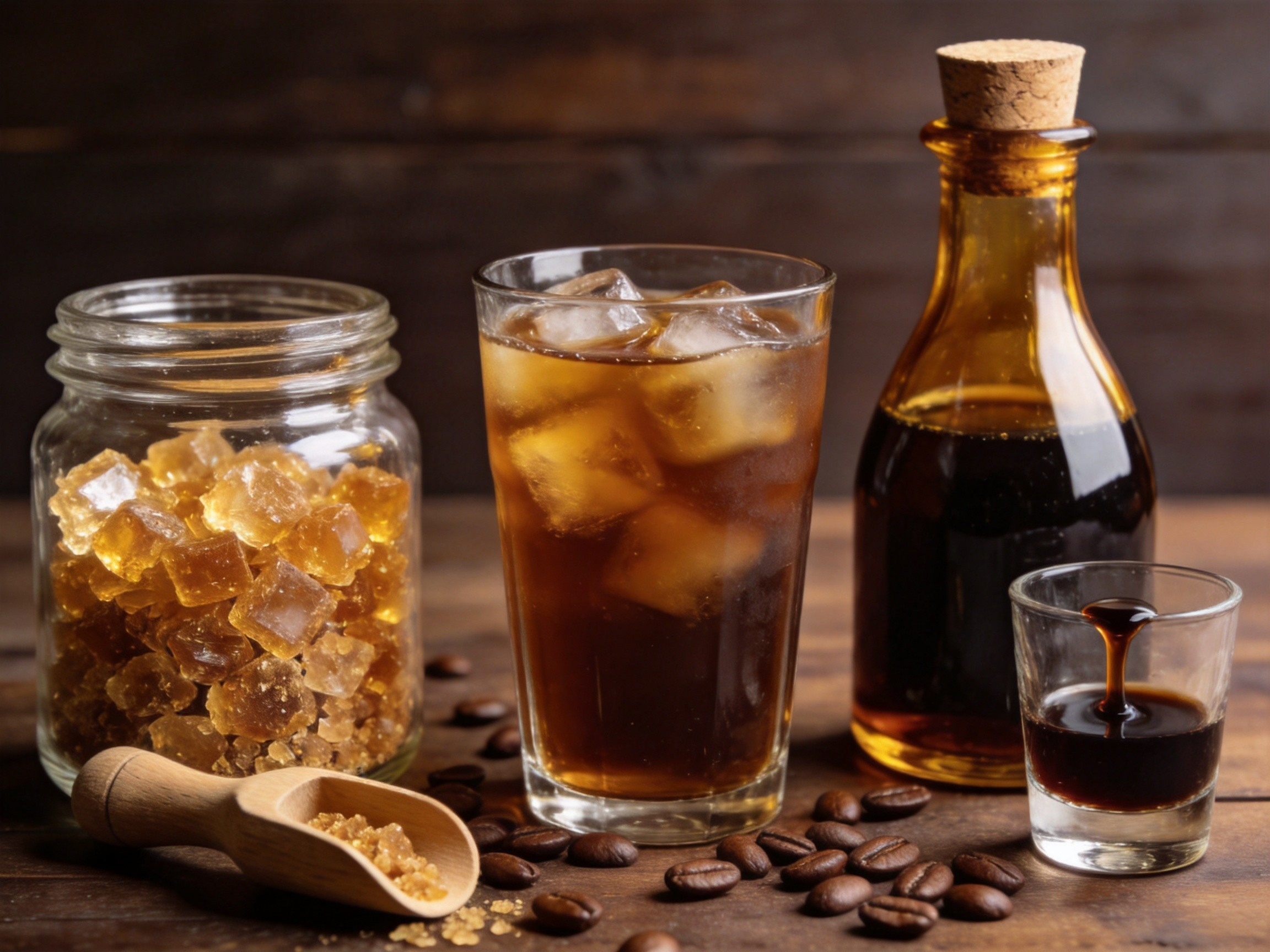
The global coffee industry is undergoing a profound transformation, driven by consumer demand for convenience without quality compromise. At the center of this evolution are two product categories that are redefining what instant coffee can be: freeze-dried coffee powder and coffee concentrate liquid. Both formats offer distinct advantages for different market segments, from household consumption to foodservice and industrial applications. This article explores the market dynamics, technological innovations, and growth opportunities for these two rapidly expanding categories.
Global Market Size & Growth
The freeze-dried coffee market was valued at USD 14.11 billion in 2024 and is projected to reach USD 33.93 billion by 2035, growing at a CAGR of 8.26% from 2025 to 2035 [1]. Within the broader instant coffee category, freeze-dried products command a 43% share of the premium segment, while spray-dried products hold 57% of total volume [2]. The coffee concentrate segment is experiencing even faster growth, driven by the ready-to-drink (RTD) coffee boom and foodservice demand for consistent, quick-preparation solutions.
Segment | 2024 Value | Projected Value | CAGR | Key Driver |
Freeze-Dried Coffee (Global) | USD 14.11B | USD 33.93B (2035) | 8.26% | Premium quality demand |
Coffee Crystal Market | USD 4.20B | USD 6.80B (2034) | 4.90% | Convenience & solubility |
Instant Coffee (Overall) | USD ~25B | USD ~40B+ (2035) | ~5% | Emerging market growth |
Coffee Concentrate (Est.) | USD ~2.5B | USD ~5B+ (2032) | ~8-10% | RTD & foodservice demand |
Freeze-Dried Coffee Powder: Premium Instant Redefined
What Makes Freeze-Dried Different?
Freeze-dried coffee is produced by freezing brewed coffee and then removing ice through sublimation under vacuum. This process preserves up to 95% of the original coffee volatiles — significantly more than spray-drying, which retains approximately 85% [3]. The result is a product that closely resembles freshly brewed coffee in flavor and aroma, with crystalline granules that dissolve rapidly in both hot and cold water.
Key Advantages
· Superior Flavor Retention: 95% aromatic compound retention vs. 85% for spray-dried. The freeze-drying process preserves the complex flavor profile that quality-conscious consumers expect [3].
· Extended Shelf Life: Moisture content below 4% ensures shelf stability of up to 24 months without refrigeration. Particle size ranges between 300–500 microns, supporting solubility above 94% [2].
· Premium Positioning: Freeze-dried coffee accounts for 52% of the coffee crystal market by value, despite higher production costs. Over 48% of premium coffee consumers prefer freeze-dried for its superior taste [2, 3].
· Versatile Applications: Suitable for hot coffee, iced coffee, baking, cooking, and cocktail applications. Cold-water solubility makes it ideal for RTD and cold brew applications.
Product Types
Type | Characteristics | Market Position | Key Applications |
Granulated | Larger, crystalline particles; premium appearance | Dominant format (41% of retail sales) | Household, gift, premium retail |
Powdered | Fine particles; rapid dissolution | Growing segment | Industrial, foodservice, baking |
Agglomerated | Larger clusters; improved solubility | Specialty segment | Foodservice, institutional |
Organic | Certified organic beans and process | Fastest-growing sub-segment | Health-conscious retail, EU markets |
Coffee Concentrate Liquid: The RTD Revolution
Market Dynamics
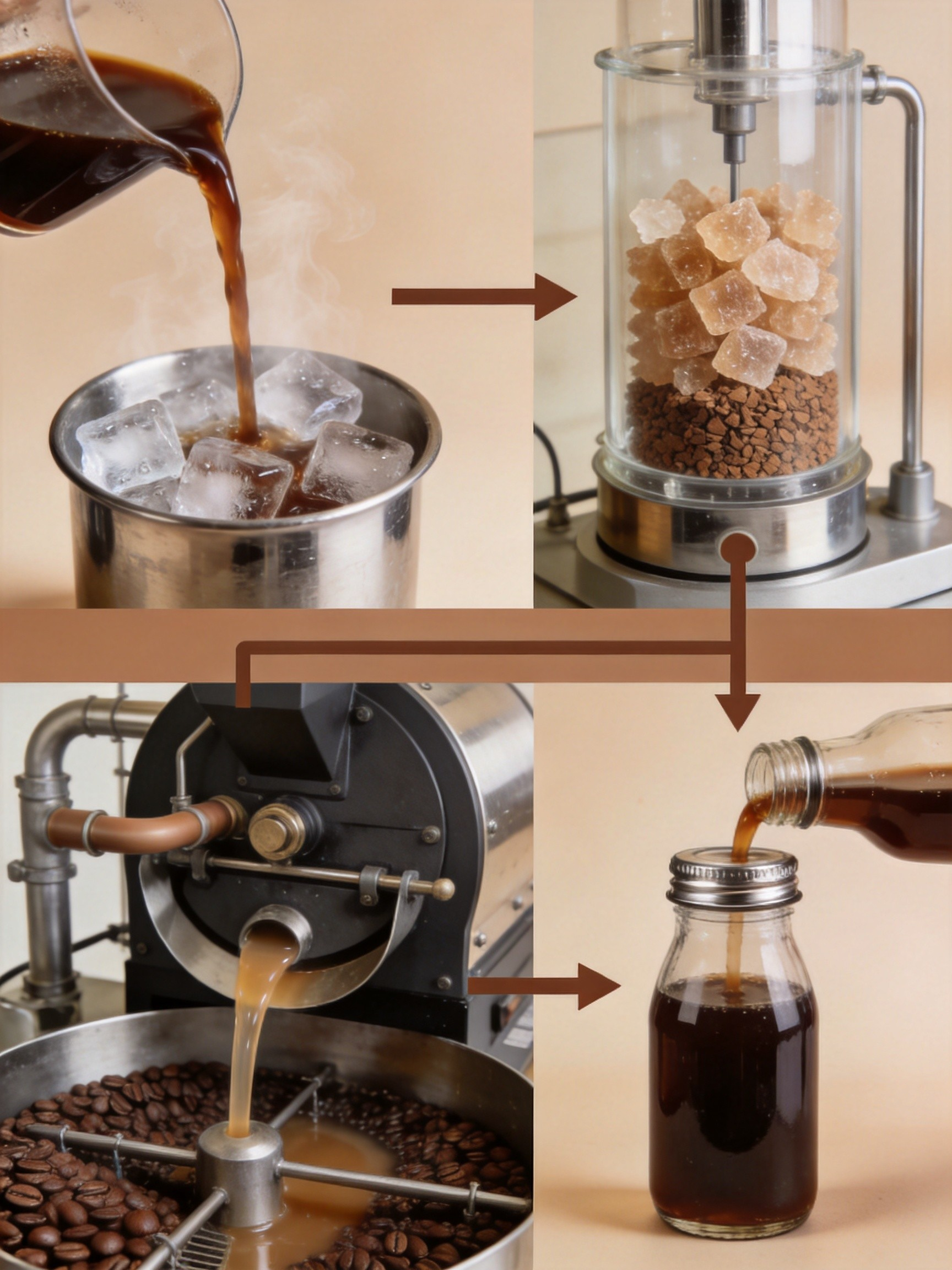
Coffee concentrate liquid represents one of the fastest-growing segments in the broader coffee market, fueled by the explosive growth of ready-to-drink coffee products and the foodservice industry's demand for consistent, speed-of-service solutions. Unlike freeze-dried powder, coffee concentrate is a liquid extract that can be diluted with water, milk, or plant-based alternatives to create finished beverages in seconds.
Key Advantages
· Speed of Preparation: Coffee concentrate enables beverage preparation in under 10 seconds — critical for high-volume foodservice operations where preparation times below 30 seconds support rapid customer turnover [2].
· Consistent Quality: Pre-extracted and standardized concentrate eliminates variability in brewing, ensuring consistent flavor across thousands of servings. This is particularly valuable for chain operations and franchise businesses.
· Versatility: Concentrate serves as a base for hot coffee, iced coffee, cold brew, coffee cocktails, and coffee-flavored desserts and baked goods. A single SKU can replace multiple brewing equipment and bean inventory.
· Cold Brew Application: The cold brew coffee trend has been a major driver, with concentrate being the preferred format for both retail and foodservice cold brew products. The global cold brew market is growing at 20%+ annually.
· Space & Equipment Efficiency: No brewing equipment required — eliminates capital expenditure on espresso machines, drip brewers, and associated maintenance. This is transformative for convenience stores, offices, and hotel minibars.
Concentrate Formats
Format | Shelf Life | Storage | Best For |
Ambient/Stable | 12–18 months | Room temperature | Retail, export, distribution |
Chilled/Liquid | 3–6 months | Refrigerated | Foodservice, DTC subscription |
Cold Brew Concentrate | 3–6 months | Refrigerated | Cafes, specialty retail, RTD base |
Espresso Concentrate | 6–12 months | Ambient/chilled | Italian-style beverages, cocktail bars |
Freeze-Dried vs. Coffee Concentrate: Comparative Analysis
Factor | Freeze-Dried Powder | Coffee Concentrate Liquid |
Flavor Quality | Excellent (95% volatile retention) | Very Good (varies by extraction method) |
Shelf Life | 24 months (ambient) | 3–18 months (format dependent) |
Storage & Logistics | Lightweight, ambient, low shipping cost | Heavier, may require cold chain |
Preparation Speed | 10–15 seconds (dissolve) | 5–10 seconds (dilute) |
Cold Drink Compatibility | Good (cold-water soluble) | Excellent (already liquid) |
Industrial Applications | Baking, cooking, flavoring | RTD base, foodservice, cocktails |
Cost per Serving | Moderate–High | Low–Moderate |
Capital Requirements | Higher production cost | Lower production cost |
Regional Market Insights
Asia-Pacific: Volume Leader
Asia-Pacific dominates the global instant coffee market with 39% share [2]. The region accounts for over 58% of instant coffee consumption, driven by affordability and convenience. China is the fastest-growing market, where flavored instant coffee products account for 33% of retail coffee demand and online instant coffee sales grew 29% in 2025 [2]. Japan is a key premium market where freeze-dried coffee accounts for 48% of instant coffee purchases by value.
Europe: Quality-Conscious Market
Europe accounts for 28.4% of the global coffee crystal market and 33% of global freeze-dried coffee consumption [2, 3]. Germany leads European consumption with 24% of regional demand. European consumers demonstrate strong preference for organic, fairtrade, and single-origin products, making the region a key market for premium freeze-dried coffee. Sustainability packaging preferences influence 64% of purchase decisions globally [2].
North America: Innovation Hub
North America holds 32.8% of the global coffee crystal market [3]. The region leads in product innovation, with flavored instant coffee demand growing 22% among consumers under 35 [2]. Coffee concentrate has found particular traction in the US market through DTC subscription models and the cold brew revolution.
Technology & Innovation Trends
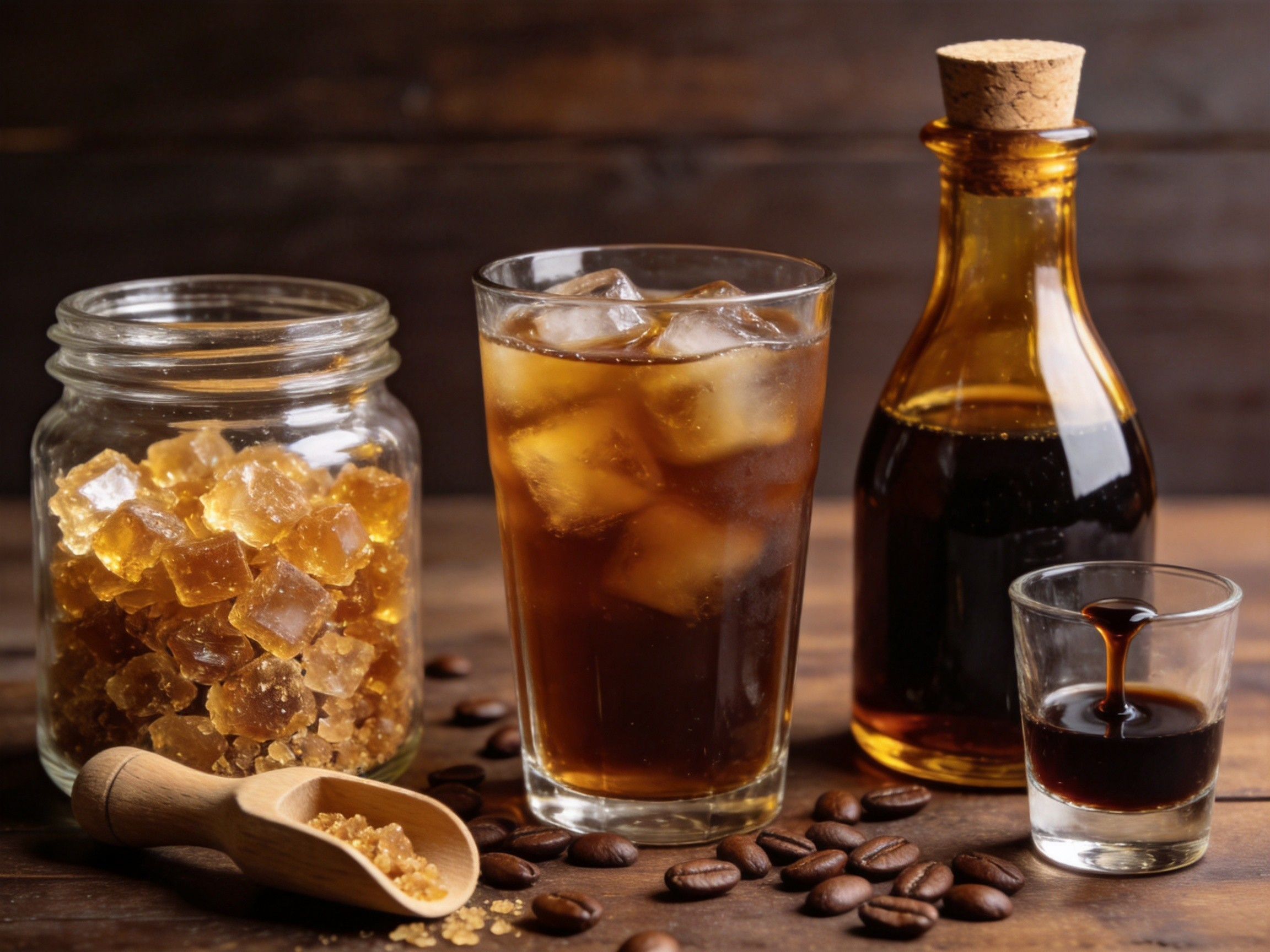
· Advanced Freeze-Drying: Cryogenic chamber technology and continuous processing systems are improving solubility and flavor retention while reducing energy consumption. AI-enabled quality control and predictive maintenance systems optimize production consistency [1].
· Microencapsulation: Encapsulation technologies protect sensitive coffee compounds during storage, extending shelf life while maintaining flavor integrity. This is particularly relevant for flavored and functional variants [3].
· Cold Brew Concentrate Technology: Advances in cold extraction — including extended steeping at controlled temperatures and nitrogen infusion — are producing concentrates with superior smoothness and lower acidity, driving RTD cold brew growth.
· Functional Coffee: Coffee products fortified with vitamins, adaptogens, collagen, and plant-based creamers represent a fast-growing niche. Functional instant coffee products accounted for 16% of premium coffee product launches in Asia-Pacific in 2025 [2].
· Sustainable Packaging: Recyclable and compostable packaging formats are becoming standard. Single-serve sachets account for 36% of new retail packaging launches [2], balancing convenience with sustainability concerns.
Market Opportunities
· Premium Freeze-Dried for Emerging Markets: As disposable incomes rise in Southeast Asia, Latin America, and Africa, demand is shifting from spray-dried to freeze-dried products. Suppliers who can offer premium quality at competitive prices will capture significant market share.
· Coffee Concentrate for Foodservice: The foodservice segment is projected to grow at 6.2% CAGR through 2034 [3]. Hotels, convenience stores, and quick-service restaurants represent enormous untapped potential for concentrate-based solutions.
· Private-Label Manufacturing: Private-label and retailer-brand instant coffee is expanding, now accounting for 20–30% of category unit sales in many markets [2]. OEM/ODM capabilities are a significant competitive advantage.
· E-Commerce & DTC: Online sales channels now account for 27% of instant coffee distribution [2]. Direct-to-consumer models, subscription services, and social commerce are reshaping how coffee products reach consumers.
· Functional & Flavored Variants: Flavored instant coffee demand is growing at 15–22% annually [2]. Plant-based, sugar-free, and functional formulations represent high-margin opportunities.
Conclusion
Freeze-dried coffee powder and coffee concentrate liquid represent two complementary pathways in the evolution of instant coffee. Freeze-dried products command premium positioning through superior flavor retention and shelf stability, while coffee concentrate offers unmatched speed and versatility for foodservice and RTD applications. Both categories are benefiting from powerful tailwinds: rising consumer expectations for quality, the convenience economy, and the global expansion of café culture. For manufacturers and suppliers, the key to success lies in understanding the distinct value propositions of each format and targeting the right market segments with the right products. The next decade will see these categories continue to grow, innovate, and increasingly overlap — with hybrid products and new formats blurring traditional boundaries.
References
1. Market Research Future. "Freeze Dried Coffee Market — Global Forecast to 2035." April 2026.
2. Business Research Insights. "Instant Coffee Market Outlook 2026–2035." May 2026.
3. Emergen Research. "Coffee Crystal Market — Global Forecast to 2034." April 2026.
4. Market Research Intellect. "Freeze Dried Coffee Market (2026–2035)." April 2026.
5. Data Insights Market. "Decoding Instant Freeze Dried Coffee Consumer Preferences 2026–2034." March 2026.
6. IndexBox. "Asia-Pacific Caffeine Free Instant Coffee Market Analysis." May 2026.