
Natural Dairy Flavoring: Market Trends & Industry Insights
50
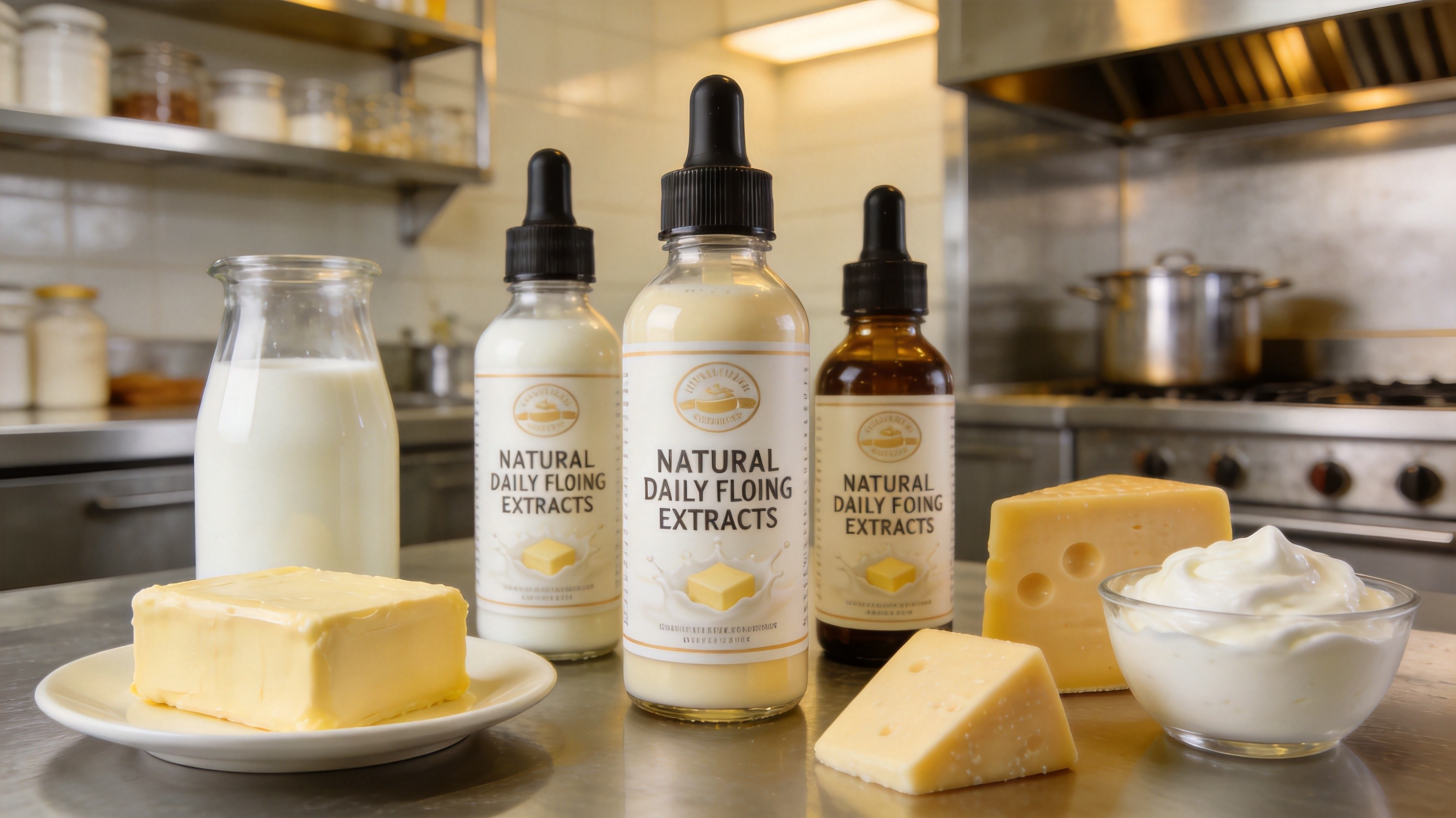
Natural Dairy Flavoring: Market Trends & Industry Insights
Industry Insights & Market Analysis | June 2026
━━━━━━━━━━━━━━━━━━━━━━━━━━━━━━━━━━━━━━━━
Introduction
Natural dairy flavoring plays an essential role across the global food industry, delivering authentic butter, cheese, cream, and milk notes that define the taste profile of countless products—from savory snacks and sauces to bakery, confectionery, and ready meals. As consumer preferences shift decisively toward natural and clean-label ingredients, the dairy flavoring segment is undergoing significant transformation. This report provides a detailed market analysis of the natural dairy flavoring industry as of mid-2026, covering market sizing, key segments, technology innovations, regional dynamics, and strategic opportunities.
Global Market Overview
The global natural flavors market was valued at approximately USD 15.77 billion in 2024 and is projected to reach USD 21.87 billion by 2034, growing at a CAGR of 3.7% (Market Research Future, 2025). Within this market, dairy applications constitute approximately 18% of total demand, representing an estimated USD 2.94 billion in 2025 with a CAGR of 3.9%. The broader natural food flavors market is experiencing more dynamic growth, valued at USD 7.09 billion in 2026 and projected to reach USD 15.84 billion by 2035 at a CAGR of 9.34% (Grand View Research, 2026).
The European savory dairy market (encompassing cheese powders, enzyme-modified cheese, and dairy-based seasonings) is estimated at EUR 4.8–5.5 billion in 2026, growing at a CAGR of 4.5–5.5%. Cheese powder and enzyme-modified cheese (EMC) together account for 45–50% of this segment, reflecting the critical importance of cheese flavor delivery in processed foods.
Market Segment | Current Value | Projected Value | CAGR | Source |
Global Natural Flavors | USD 15.77B (2024) | USD 21.87B (2034) | 3.7% | Market Research Future |
Dairy Application Segment | USD 2.94B (2025) | ~USD 4.1B (2034) | 3.9% | Derived from MRFR data |
Natural Food Flavors | USD 7.09B (2026) | USD 15.84B (2035) | 9.34% | Grand View Research |
European Savory Dairy Market | EUR 4.8–5.5B (2026) | ~EUR 7.2B (2031) | 4.5–5.5% | Industry Estimates |
Key Product Segments
By Dairy Flavor Type
Flavor Type | Market Share | Key Applications | Growth Drivers |
Cheese Flavors (Cheddar, Parmesan, Mozzarella) | ~35% | Snacks, sauces, ready meals, pasta | Snack seasoning demand; EMC technology |
Butter Flavors | ~25% | Bakery, confectionery, popcorn | Premium bakery; movie theater/concession |
Cream & Milk Flavors | ~20% | Beverages, desserts, coffee creamers | RTD coffee boom; dessert innovation |
Cultured/Sour Dairy Flavors | ~12% | Dips, dressings, savory snacks | Fermented food trend; probiotic positioning |
Other Dairy (Whey, Yogurt, Caramel) | ~8% | Protein products, confectionery | Sports nutrition; indulgent flavors |
By Application
· Savory Snacks & Seasonings: The largest single application, driven by cheese-flavored chips, popcorn, and extruded snacks. Global snack flavoring demand is growing at 5.8% CAGR.
· Bakery & Confectionery: Butter and cream flavors are essential for cookies, pastries, and chocolate fillings. Premiumization trend supports natural dairy flavor adoption.
· Beverages: Cream, milk, and caramel flavors for RTD coffee, milk teas, and flavored milk products. The RTD coffee market is growing at 8.2% CAGR globally.
· Ready Meals & Sauces: Cheese and cream flavors for pasta sauces, soups, and meal kits. Convenience food demand in developed markets is a key driver.
· Dairy Alternatives: A paradoxical growth segment—natural dairy flavors are used to enhance the authenticity of plant-based dairy alternatives (cheese, butter, milk substitutes).
Technology & Innovation
1. Enzyme-Modified Cheese (EMC) Technology
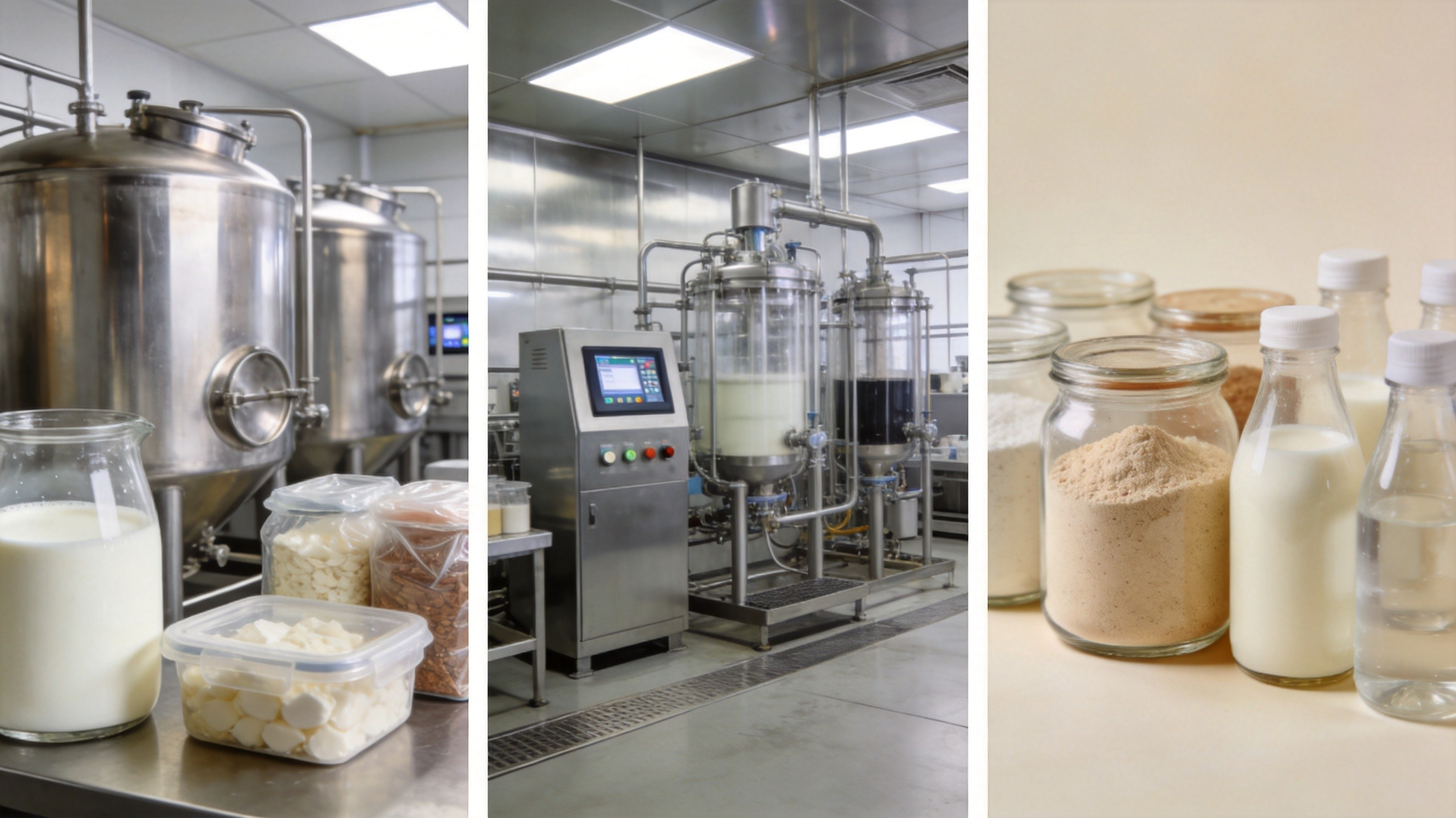
EMC technology remains the most impactful innovation in dairy flavoring. By using specific lipases and proteases to accelerate the natural cheese ripening process, EMC delivers flavor intensities 10–20× greater than natural cheese at a fraction of the cost. This technology enables manufacturers to achieve intense cheese flavor profiles in snacks and sauces while using minimal actual cheese content, offering both cost efficiency and clean-label advantages.
2. Fermentation-Derived Dairy Flavors
Precision fermentation is enabling the production of authentic dairy flavor compounds without animal-derived inputs. Companies are developing microbial platforms that produce key dairy aroma molecules (diacetyl, butyric acid, lactones) through controlled fermentation, offering vegetarian and vegan-compatible dairy flavors that match traditional profiles.
3. Encapsulation & Shelf-Life Enhancement
Dairy flavors are inherently sensitive to oxidation and microbial degradation. Advanced spray-drying and liposomal encapsulation technologies are extending shelf life from 6–12 months to 18–24 months for cheese powders and dairy flavor concentrates, enabling broader distribution and reduced waste. Controlled-release encapsulation is also enabling new applications in instant products where flavor activation upon reconstitution is desired.
Regional Market Analysis
Region | Market Position | Key Characteristics | Growth Outlook |
Germany | Top 3 Global | Largest European dairy flavor market; strong snack & bakery sectors | CAGR 4.2% |
France | Top 3 Global | Cheese heritage; gourmet food culture; EMC demand | CAGR 4.0% |
United States | Top 3 Global | Largest single-country market; snack seasonings dominance | CAGR 4.8% |
China | Rising | Growing snack & bakery sectors; cheese flavor adoption in milk tea | CAGR 7.5% |
Japan & South Korea | Established | Sophisticated dairy flavor applications; confectionery & snacks | CAGR 3.8% |
Southeast Asia | Emerging | RTD beverage & snack growth; dairy flavor learning curve | CAGR 8.0% |
Consumer & Market Trends
· 68% of global consumers actively choose products containing natural flavors when available (Euromonitor, 2025).
· The 'real cheese' claim on snack packaging drives 15–20% price premiums over 'cheese-flavored' alternatives.
· Clean-label dairy flavoring is growing at 2× the rate of conventional dairy flavors in North America and Europe.
· Plant-based dairy alternatives increasingly incorporate natural dairy flavors to bridge the taste gap—creating a paradoxical new demand source for dairy flavor suppliers.
· Ethnic and regional cheese flavor exploration (Gouda, Gruyère, Gorgonzola) is creating premium niche opportunities.
Opportunities & Challenges
Opportunities
1. Asian Market Expansion: The rapid growth of cheese-flavored snacks, milk tea, and RTD coffee in China and Southeast Asia represents a major opportunity for dairy flavoring suppliers.
2. EMC Innovation: Next-generation EMC technology targeting specific regional cheese profiles (e.g., Parmigiano for Italian market, Cheddar for UK/US) enables premium positioning.
3. Dairy-Alternative Enhancement: Supplying natural dairy flavors to the plant-based industry offers a counter-intuitive but growing revenue stream.
4. Clean-Label Reformulation: As major food brands reformulate away from artificial flavors, natural dairy flavor suppliers who can deliver matching intensity and stability gain significant market share.
Challenges
· Dairy Supply Volatility: Raw milk and cheese prices are subject to weather, feed costs, and geopolitical disruptions, creating input cost instability.
· Vegan & Allergen Concerns: Growing veganism and dairy allergen awareness limit the addressable market for traditional dairy-derived flavors.
· Flavor Intensity Gap: Natural dairy flavors often lack the intensity of artificial alternatives, requiring technological innovation to close the gap.
· Regulatory Variation: EU, FDA, and Asian regulatory frameworks differ significantly on what qualifies as 'natural dairy flavoring,' complicating global product strategies.
Conclusion
The natural dairy flavoring market is evolving in response to the powerful forces of clean-label consumerism, technology innovation, and the paradoxical growth of both authentic dairy and dairy-alternative product categories. EMC technology continues to be the backbone of cheese flavor delivery, while precision fermentation opens new frontiers for animal-free dairy flavor production. The Asian market—particularly China and Southeast Asia—represents the most significant growth opportunity, driven by the intersection of Western food influence and local taste innovation. Suppliers who can deliver authentic, intense, and stable natural dairy flavors while navigating the complex landscape of regulatory requirements and allergen concerns will be well-positioned for the decade ahead.
References
· Market Research Future (2025). Natural Flavors Market — Global Forecast to 2034.
· Grand View Research (2026). Natural Food Flavors Market Size & Growth Analysis.
· Euromonitor International (2025). Consumer Attitudes Toward Natural Ingredients Survey.
· Frost & Sullivan (2025). European Savory Dairy Ingredients Market Analysis.
· Innova Market Insights (2025). Dairy Flavor Innovation & Clean Label Trends.
━━━━━━━━━━━━━━━━━━━━━━━━━━━━━━━━━━━━━━━━
Shanghai Javicen Industry Co., Ltd.
Email: javicen001@outlook.com | WhatsApp: +86 131 6706 8907
www.javicensyrup.com